

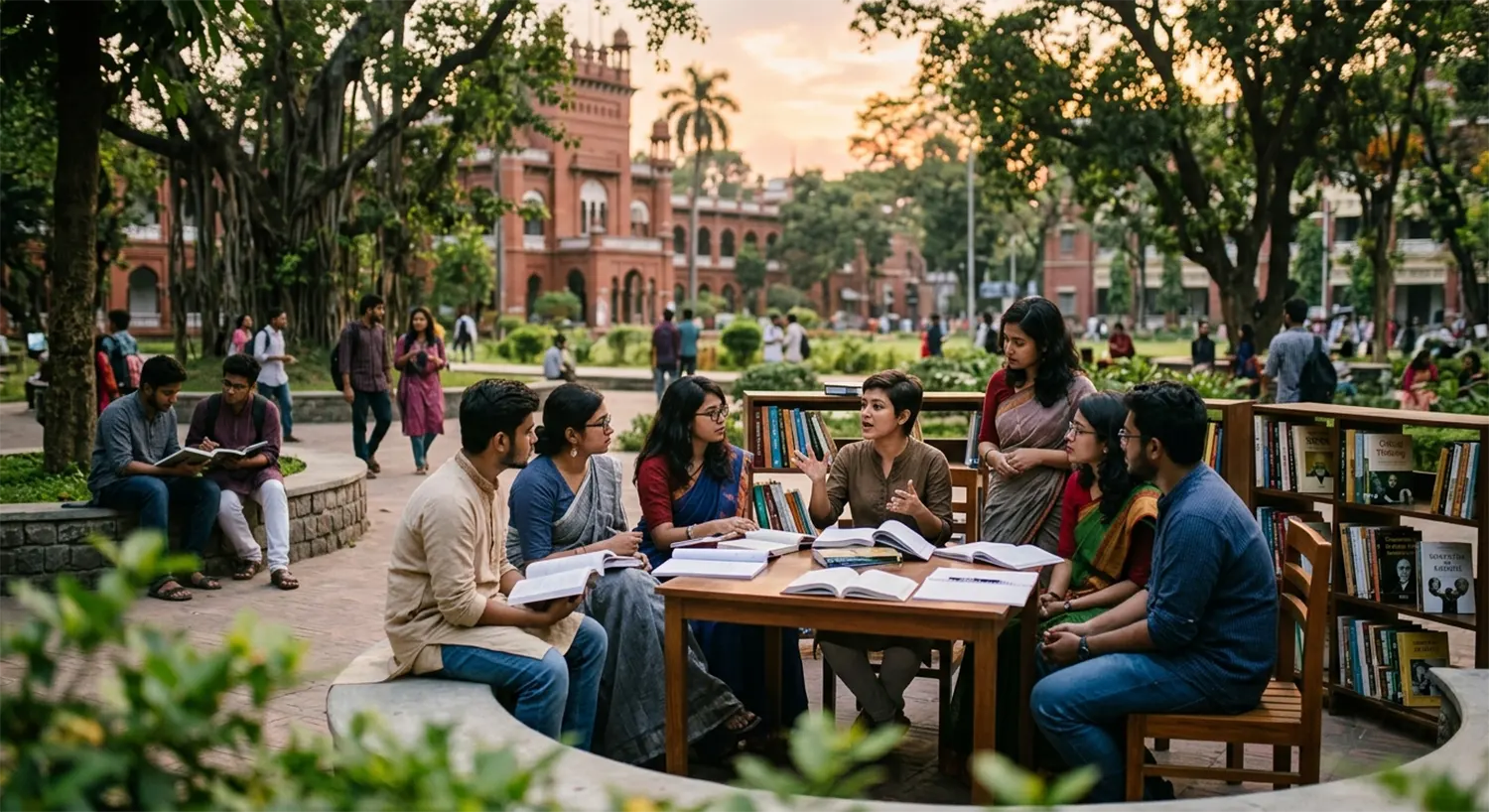
Humanism’s growth in Bangladesh
Humanism in Bangladesh is Growing as More People Embrace Critical Thinking
Humanism in Bangladesh is gaining visibility as a social and intellectual current that emphasizes reason, secular values, and compassion-driven social progress. This article analyzes the forces behind that growth, the forms it takes, the challenges it faces, and its potential implications for Bangladeshi society. I draw on recent reporting, academic commentary, and statements from civil-society actors to situate this trend in the country’s political and cultural context.
Historical and cultural background
Bangladesh’s modern identity was forged through a combination of anti-colonial struggle, language nationalism, and a liberation war that foregrounded secular ideals in its founding charter. Yet religion—especially Islam—has remained central to public life and political mobilization. Over the decades, the balance between secularism and religious identity has shifted repeatedly, shaped by constitutional changes, political bargains, and social movements. In recent years, a younger, more connected generation has begun to reassert secular and humanist values in new ways: not as abstract ideology but as practical commitments to pluralism, critical inquiry, and human dignity.
What “humanism” means in the Bangladeshi context
In Bangladesh, humanism is not a single, monolithic doctrine. It is a constellation of attitudes and practices that include:
- Secular civic values: insisting on separation of religion and state, protection of minority rights, and equal citizenship.
- Critical thinking and scientific temper: promoting evidence-based education, skepticism toward dogma, and public debate on social issues.
- Compassionate social policy: prioritizing welfare, gender equality, and social justice grounded in human dignity rather than religious prescription.
- Cultural pluralism: defending artistic freedom, linguistic diversity, and the right to dissent.
These elements often overlap with broader progressive politics, but humanism in Bangladesh is distinctive for its explicit emphasis on reason and human-centered ethics as the basis for public life.
Drivers of recent growth
- Demographic and educational shifts Bangladesh’s youth bulge, rising literacy, and expanding higher education have created a cohort more exposed to global ideas and digital discourse. University campuses and online forums have become hubs for debates about secularism, gender, and rights, where humanist arguments circulate widely.
- Digital connectivity and social media Social platforms have amplified voices that previously had limited reach—bloggers, independent journalists, and activists who promote secular and humanist perspectives. Digital networks also enable rapid mobilization around issues like freedom of expression and minority protections.
- Civil-society activism and NGOs Local NGOs and international partners working on education, health, and human rights often frame their work in human-centered terms. Their programs—ranging from reproductive health to legal aid—reinforce the idea that policy should be guided by human welfare and evidence.
- Cultural and artistic expression Writers, filmmakers, and artists have used literature, cinema, and performance to question orthodoxy and imagine plural futures. Cultural production has a long history in Bangladesh of challenging authority; contemporary creators are renewing that tradition with explicitly secular or humanist themes.
Forms of expression and organization
Humanist ideas in Bangladesh appear across a spectrum:
- Informal networks and online communities: These are often the first point of contact for young people exploring secular ideas—discussion groups, podcasts, and social-media pages that debate religion, science, and rights.
- Student groups and campus movements: Universities remain important sites for intellectual ferment; student unions and informal collectives organize seminars, film screenings, and protests on issues from academic freedom to gender-based violence.
- NGOs and think tanks: Organizations working on governance, education, and health translate humanist principles into policy advocacy and service delivery.
- Public intellectuals and journalists: Columnists, essayists, and independent media outlets articulate humanist critiques of policy and culture, often at personal risk.
Challenges and constraints
Growth is real but contested. Several structural and political obstacles limit the reach and safety of humanist activism:
- Political sensitivity and securitization: Debates about secularism can be framed as threats to social order, and authorities sometimes respond with restrictions on speech or assembly. This creates a chilling effect for activists and journalists.
- Religious conservatism and backlash: Conservative religious groups can mobilize quickly against perceived insults to faith or cultural norms, sometimes leading to harassment or violence against dissenting voices.
- Legal and institutional limits: Laws on defamation, cybercrime, and public order have been used to curb dissent, complicating efforts to sustain open debate.
- Economic precarity: Many activists and independent media operate with limited resources; economic vulnerability makes sustained organizing difficult.
Strategic adaptations by humanist actors
Faced with these constraints, proponents of humanism in Bangladesh have adapted in pragmatic ways:
- Framing humanism in local idioms: Activists often ground arguments in national history—invoking the liberation movement’s secular commitments—to make humanist ideas resonate with broader audiences.
- Coalition-building: Humanist groups frequently partner with labor unions, women’s organizations, and minority-rights groups to broaden their base and reduce isolation.
- Incrementalism: Rather than pushing for wholesale secularization, many advocates pursue targeted reforms—improving science education, protecting artistic freedom, or strengthening legal protections for minorities.
- Digital safety and decentralized organizing: To mitigate repression, networks use encrypted communication, distributed leadership, and diaspora connections to sustain momentum.
Social and political implications
If humanist currents continue to grow, several implications are likely:
- Policy shifts toward evidence-based governance: Greater public demand for data-driven policy could improve outcomes in health, education, and disaster response.
- Stronger protections for pluralism: A more robust humanist discourse can bolster legal and cultural defenses for minorities, artists, and dissenters.
- Civic renewal and democratic deepening: By emphasizing critical thinking and civic responsibility, humanism can contribute to a more engaged citizenry capable of holding institutions accountable.
- Polarization risks: Rapid cultural change can provoke backlash, potentially deepening social divides if not managed through inclusive dialogue.
What success would look like
Success for humanism in Bangladesh would not mean the eradication of religious belief; rather, it would mean a public sphere where:
- Citizens can debate ideas without fear of violence or legal reprisal.
- Policy decisions are informed by evidence and human welfare.
- Cultural pluralism is protected, and minority rights are respected.
- Education fosters critical thinking alongside ethical and civic values.
These outcomes require institutional reforms—stronger legal protections for free expression, independent media, and civic education—alongside grassroots cultural change.
Conclusion
Humanism’s growth in Bangladesh is a complex, uneven process shaped by demographic change, digital connectivity, civil-society activism, and cultural production. It offers a vision of public life centered on reason, compassion, and pluralism—values that can strengthen social cohesion and policy effectiveness if pursued inclusively. Yet the path forward is contested: legal constraints, political sensitivities, and social backlash pose real risks. The most promising strategy combines principled advocacy with pragmatic coalition-building, local framing, and institutional reform. If those elements coalesce, humanism could become a stabilizing force that helps Bangladesh navigate the tensions between tradition and modernity while protecting the dignity and rights of all its citizens.
Related Posts

How Secularism Creates the Intellectual Freedom Necessary for Scientific Innovation and Human Progress Worldwide
Secularism is often misunderstood as merely the separation of religion from the state. In reality,Read More
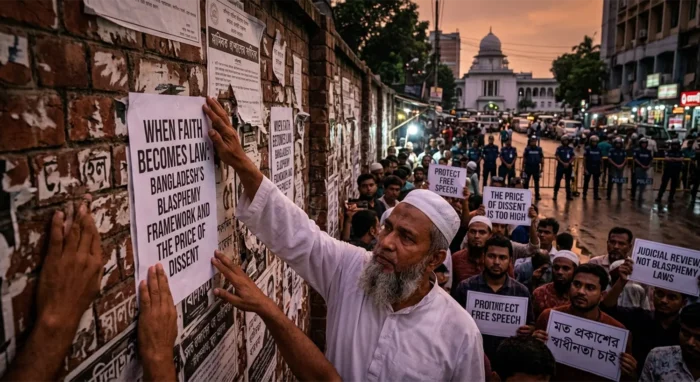
When Faith Becomes Law: Bangladesh’s Blasphemy Framework and the Price of Dissent
Bangladesh was founded in 1971 on four pillars: nationalism, democracy, socialism, and secularism. Half aRead More
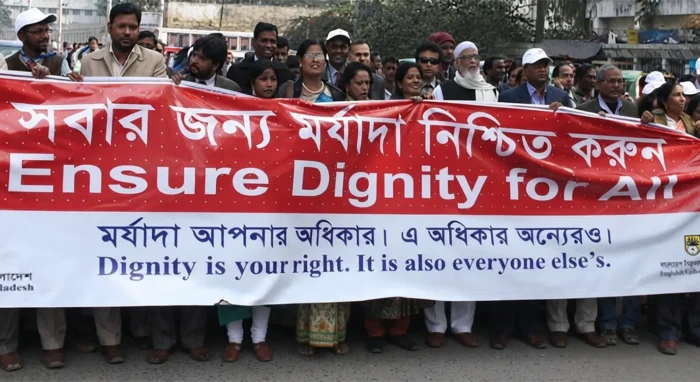
Dignity and Humanism: Reclaiming Worth in an Age of Rapid Change and Moral Uncertainty
Dignity and humanism are twin pillars of a humane public life. Where dignity names theRead More
Comments are Closed